Why Homebirth Midwifery Care Matters
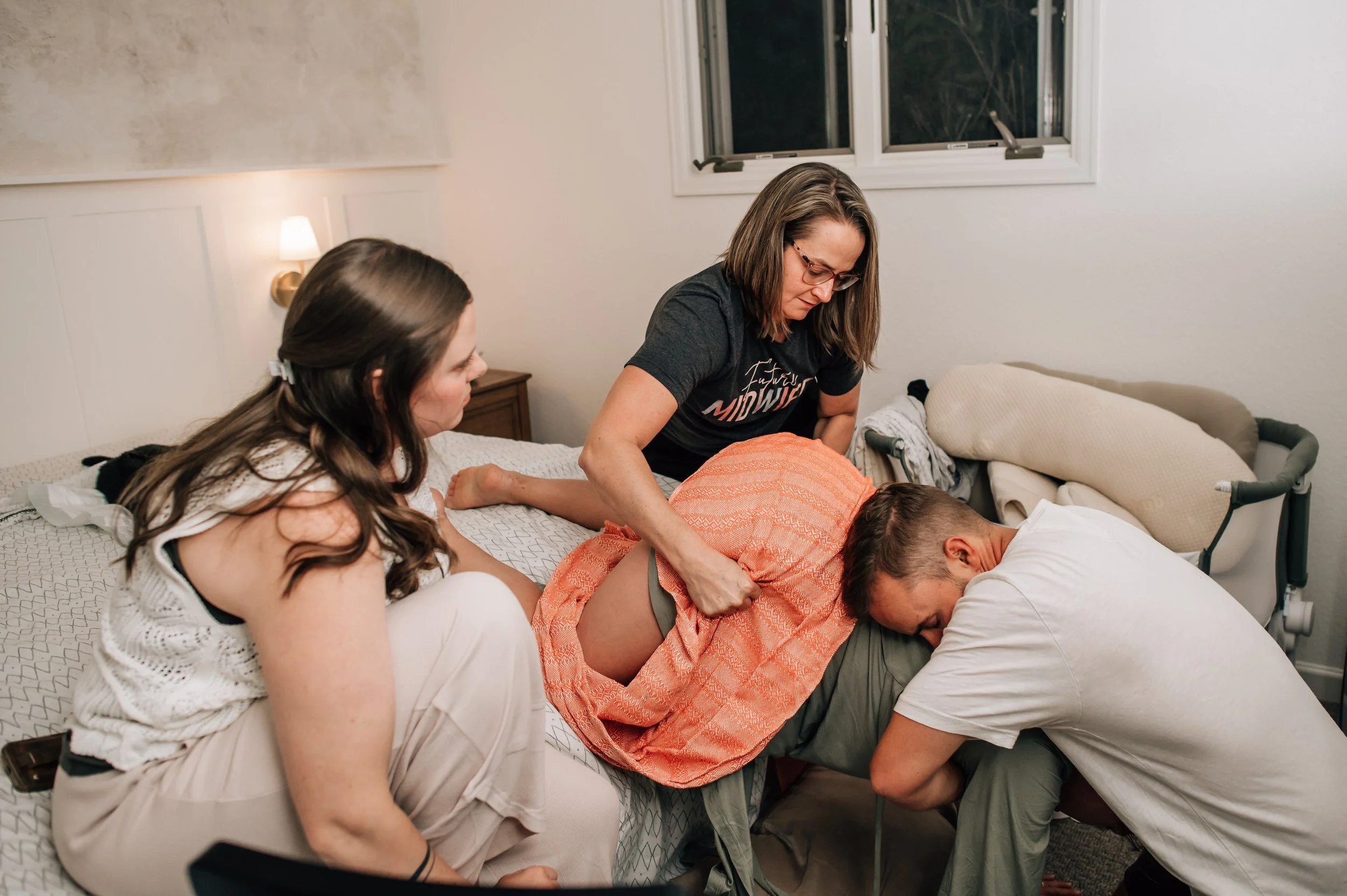
There is something profoundly sacred about welcoming a baby into the world at home. Homebirth midwifery care is not simply an alternative setting for birth—it is a philosophy of care that honors the wholeness of a woman, the sanctity of family, and the presence of God in one of life’s most transformative moments.
As a Christian midwife, I believe birth is not a medical emergency waiting to happen, but a God-designed process meant to unfold with peace, dignity, and support. When properly cared for, homebirth allows families to experience birth as it was intended: personal, reverent, and deeply connected.
Birth Was Designed for Relationship, Not Rush
In the hospital system, birth is often managed by the clock—shift changes, protocols, and institutional routines can unintentionally overshadow the unique needs of a laboring mother. Homebirth midwifery care restores birth to its rightful place: centered on relationship.
Midwives provide continuity of care. We walk with families throughout pregnancy, learning their fears, hopes, and prayers. By the time labor begins, trust has already been built. That trust allows the birthing mother to relax, and relaxation is essential for physiological birth. When a woman feels safe, supported, and known, her body works more effectively.
Homebirth is not about rejecting medical knowledge—it is about applying wisdom with discernment, patience, and respect for God’s design.
Postpartum Matters: Healing at Home, in Bed
One of the most overlooked gifts of homebirth is the postpartum period.
After a homebirth, there is no transfer to a recovery room, no bright lights, no interruptions by unfamiliar staff. Instead, mothers are tucked into their own beds, surrounded by the sounds and smells of home. Babies remain skin-to-skin. Older siblings can meet their new family member gently, without rushing or fear.
This immediate postpartum rest is not a luxury—it is foundational to healing.
• Bleeding can be monitored calmly and closely
• Breastfeeding is supported without pressure
• Nutrition, hydration, and rest are prioritized
• Emotional processing is held with care
Being home allows a mother’s nervous system to settle. Oxytocin—the hormone of love and bonding—flows more freely when a woman feels safe and undisturbed. This supports uterine involution, milk production, emotional well-being, and attachment.
Postpartum care does not end when the placenta is delivered. In midwifery care, postpartum support is woven into the weeks that follow, ensuring that mothers are not left alone during one of the most vulnerable transitions of their lives.
The Role of the Holy Spirit in Midwifery Care
As a Christian midwife, I believe that birth is not only physical—it is spiritual.
Scripture reminds us that the Holy Spirit is our Counselor, our Comforter, and our source of wisdom. In birth, there are moments that require more than clinical knowledge. There are moments that require discernment, prayer, and listening.
The Holy Spirit brings:
• Peace when fear tries to take hold
• Wisdom in decision-making
• Discernment when something feels “off”
• Comfort during intense labor
• Healing in emotional or spiritual wounds
Midwifery care guided by the Holy Spirit does not replace skill—it enhances it. Prayerful presence changes the atmosphere of a birth space. Scripture spoken softly, worship music playing in the background, or quiet prayer during labor can ground a family in truth when emotions are high.
Birth is often a moment when heaven feels near. Many women report feeling God’s presence powerfully during labor—strength beyond themselves, peace that defies circumstance, and clarity in moments of surrender.
Honoring the Mother as a Whole Person
Homebirth midwifery care sees the mother not as a patient, but as a daughter of God.
Her emotional history matters.
Her spiritual life matters.
Her intuition matters.
Christian midwifery care honors consent, agency, and informed choice. It acknowledges that each birth story is unique and worthy of respect. Decisions are made collaboratively, not imposed. Education replaces fear, and trust replaces control.
This kind of care empowers women—not because they are strong on their own, but because they are supported, prayed over, and reminded of the strength God has already placed within them.
A Return to Sacred Birth
Homebirth midwifery care matters because it restores birth to a sacred space.
It allows families to slow down, to listen, to pray, and to welcome new life with intention. It recognizes that postpartum healing happens best in familiar surroundings. It trusts that God is present in the process, guiding hands, hearts, and decisions.
For families seeking care that honors faith, family, and physiology, homebirth midwifery is more than an option—it is a calling.
Birth is holy ground.
And it deserves holy care.
Photo Credit: Danielle Kent Photography